2008 – 2015
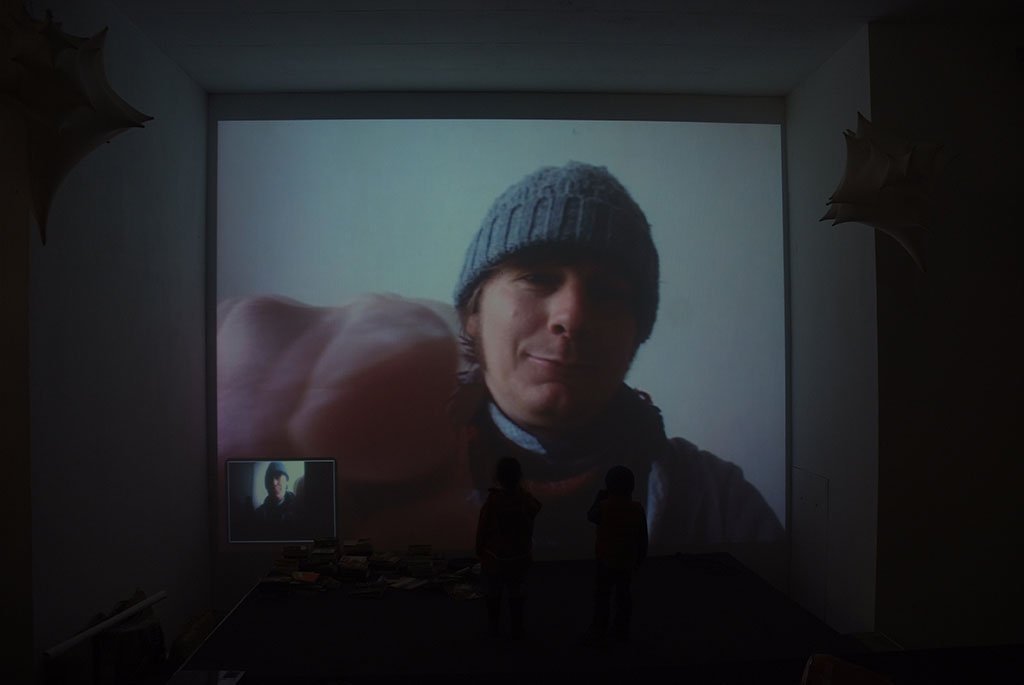
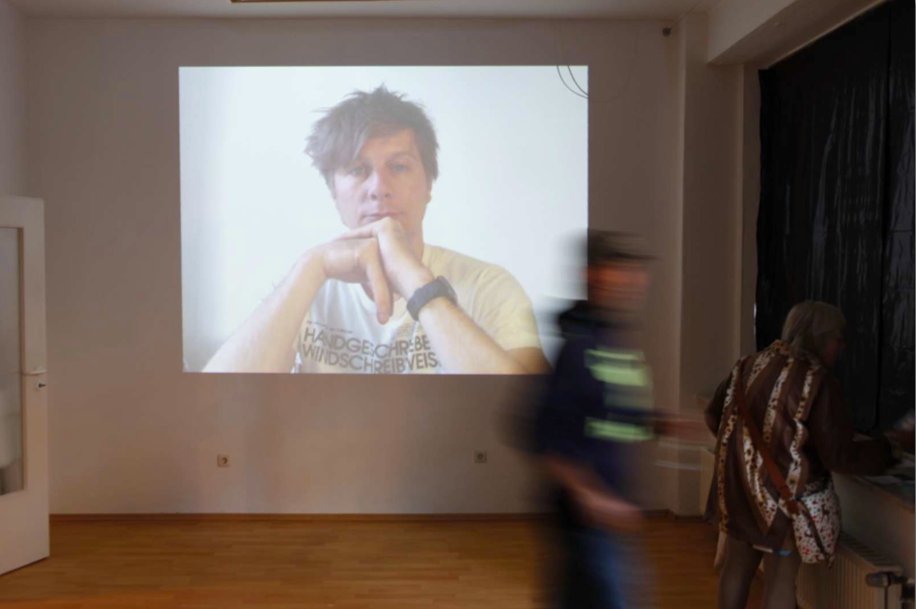
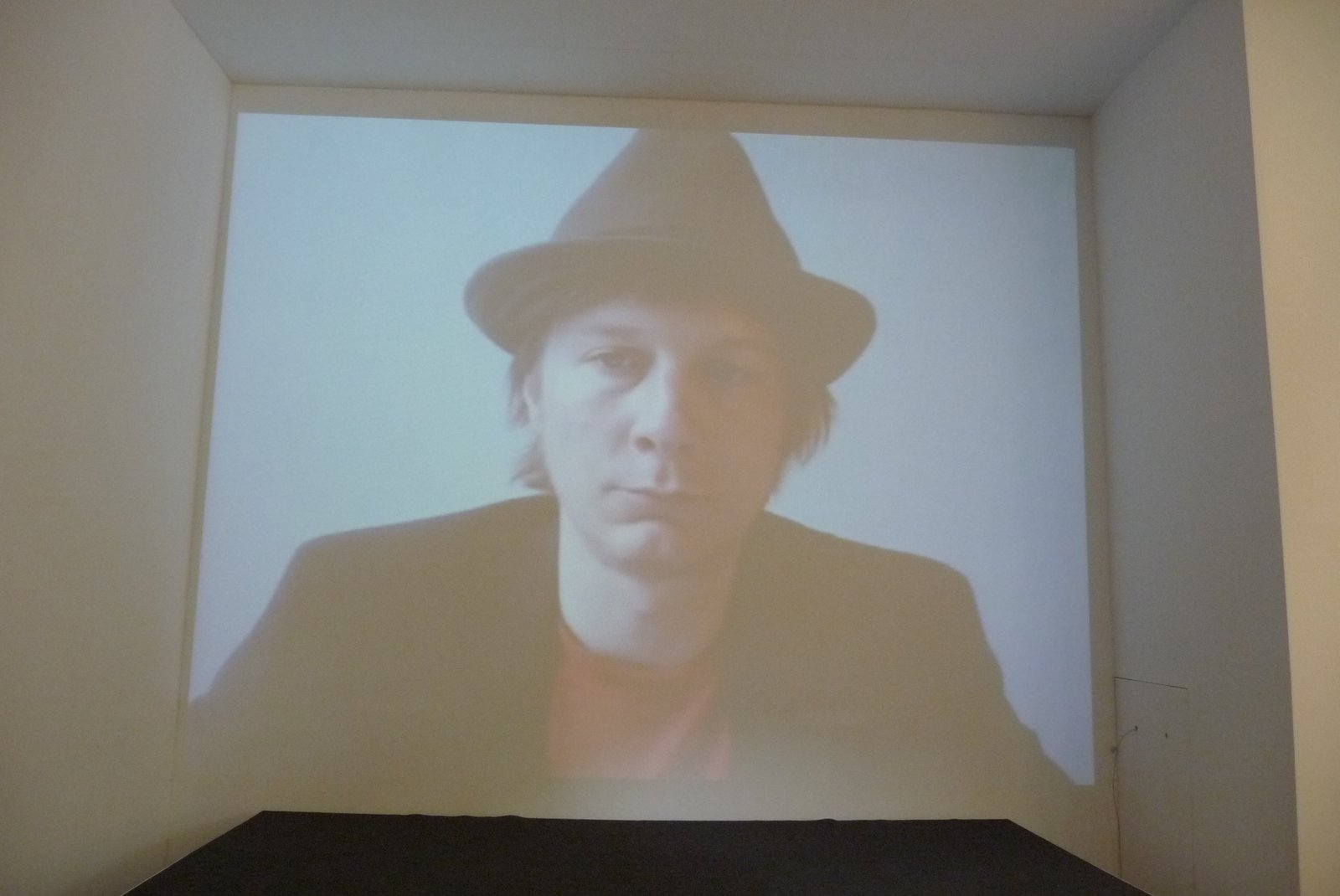
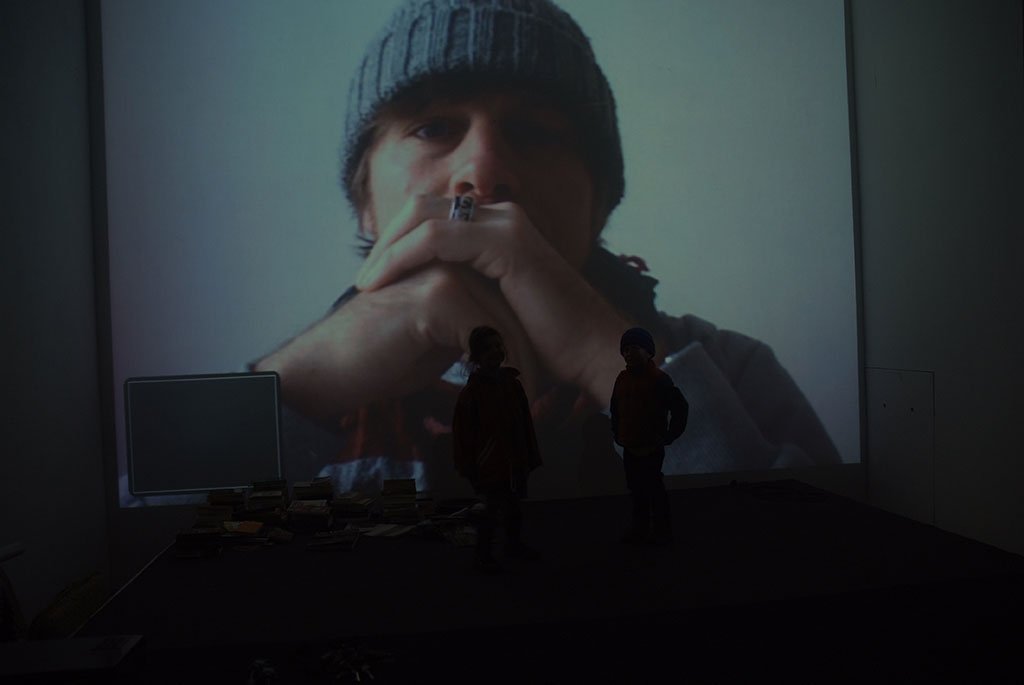
Since 2008: the artist sits before his laptop webcam and streams his live image into the otherwise empty exhibition space. The room holds nothing but his picture. On presence and absence in a mediated world.
concept
"Ist Kuhlmann während der Performance anwesend, abwesend, oder durch
die übergroße Präsentation als Bild eventuell sogar hyperreal — also
anwesender als andere?"
— Florian Kuhlmann, on the work, 2015
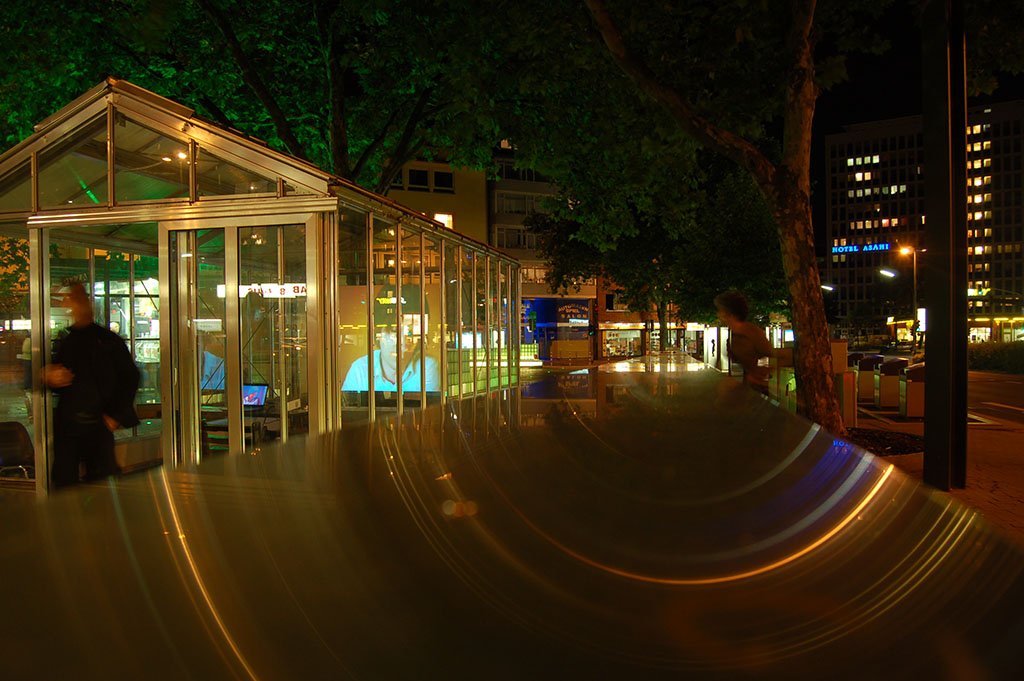
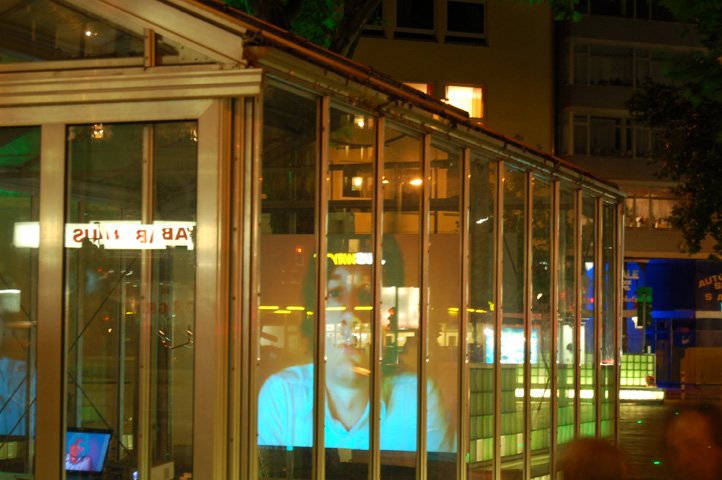
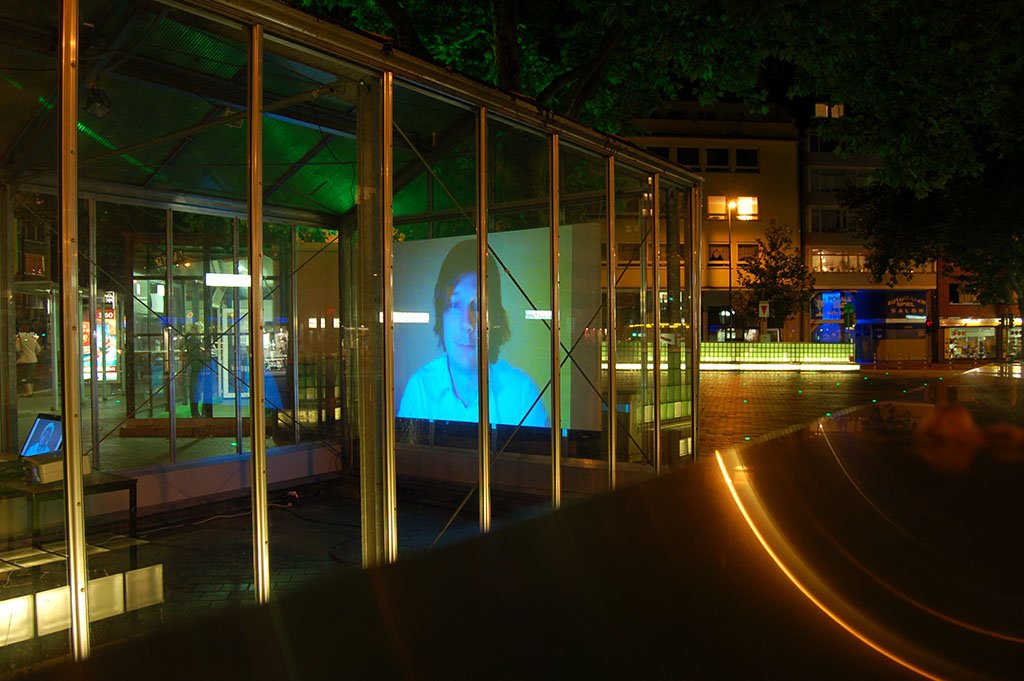
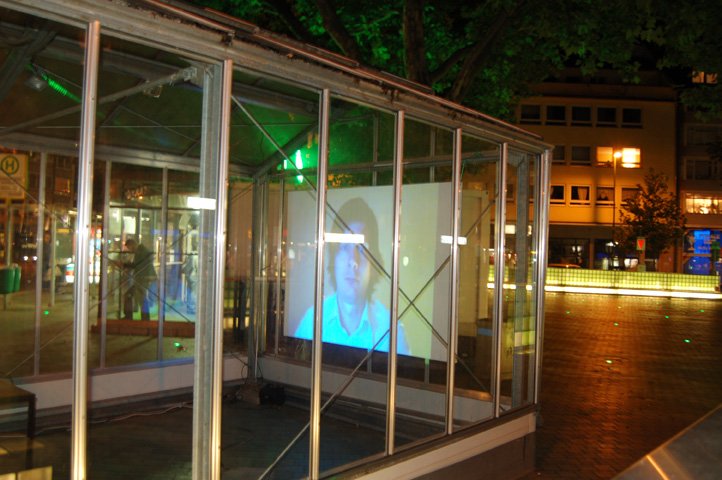
In autumn 2008, at Worringer Platz in Düsseldorf, Florian Kuhlmann showed the artist is present for the first time — a metamodern remix of conceptual art, video installation, net art and live performance. The setting is as simple as it gets: he sits before the webcam of his laptop and streams the video signal, live, into an otherwise completely empty exhibition space. The gallery announces the presence of the artist; what it holds is only his image.
It began as an ironic comment on the codes of the global art system and on the established image of the artist. But its real subject lies deeper: what do presence and absence mean in an increasingly media- and techno-visually mediated world? During the performance, is the artist present, absent — or, blown up as an image on the wall, perhaps even hyperreal, more present than those who stand in the room?
presence & public space · transprivacy the mediated self · digital3mpire
a note on the title
Two years after this first presentation, in 2010, Marina Abramović drew worldwide attention with her identically titled performance The Artist Is Present at MoMA, New York, where she sat in silence across from visitors, one after another, in person.
The following is Kuhlmann's own account, not an objective claim of priority: his version predates the MoMA piece by two years (the Düsseldorf presentation is documented to autumn 2008), and takes, he argues, a different approach — cool and conceptual rather than sentimental, and mediated rather than bodily. Where Abramović stakes everything on physical co-presence, Kuhlmann is present only as a stream, and asks what that difference is worth. When the namesake MoMA performance turned the phrase into a global event, he set the work aside. The two remain formally distinct pieces that happen to share a title.
the stations
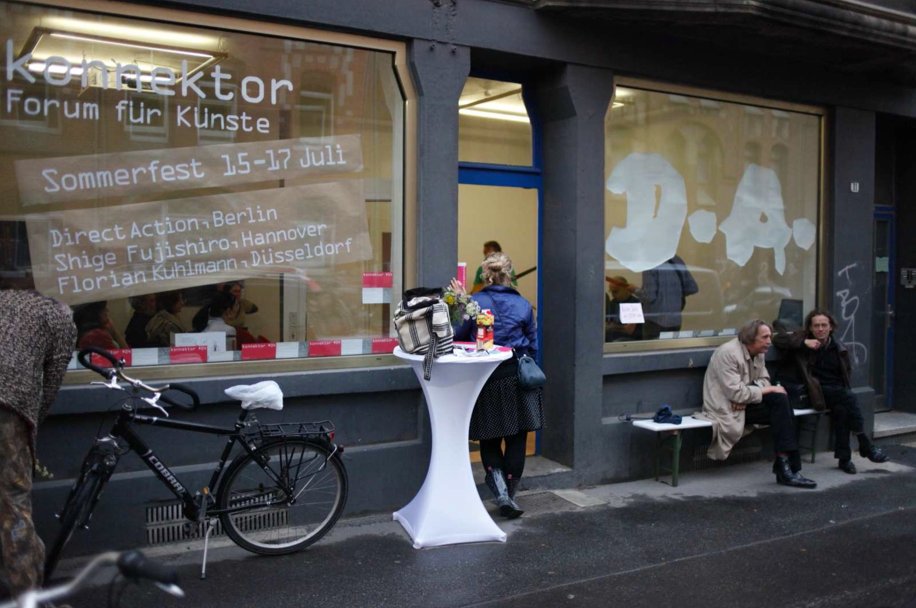
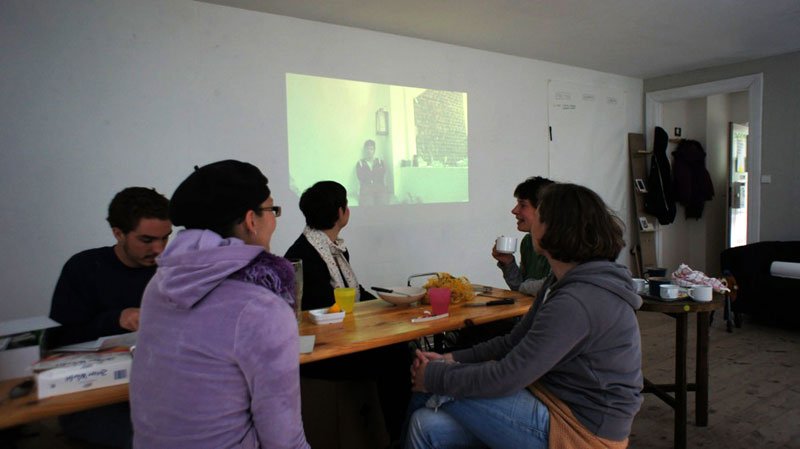
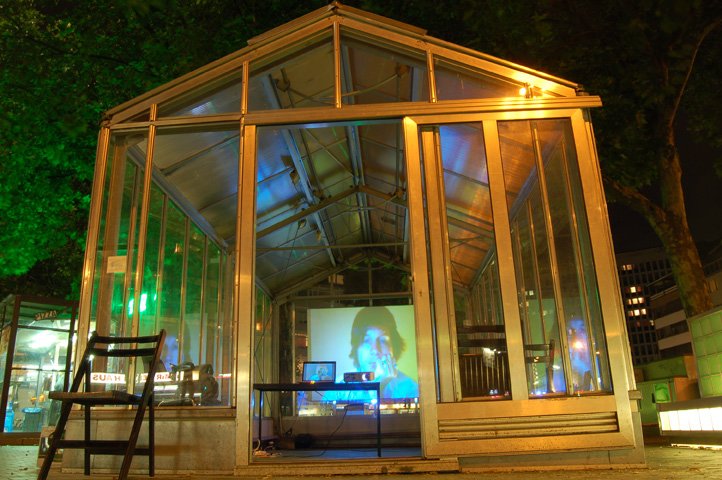
The piece was realized again and again, from different locations into different galleries and exhibition spaces: the glass pavilion at Worringer Platz in Düsseldorf (2008), the eexistence gallery in Leipzig (2010), the Konnektor in Hannover (2011), the Institut für alles Mögliche in Berlin (2012). Each time the same rule: an empty room, and a face arriving over the network.


the other end
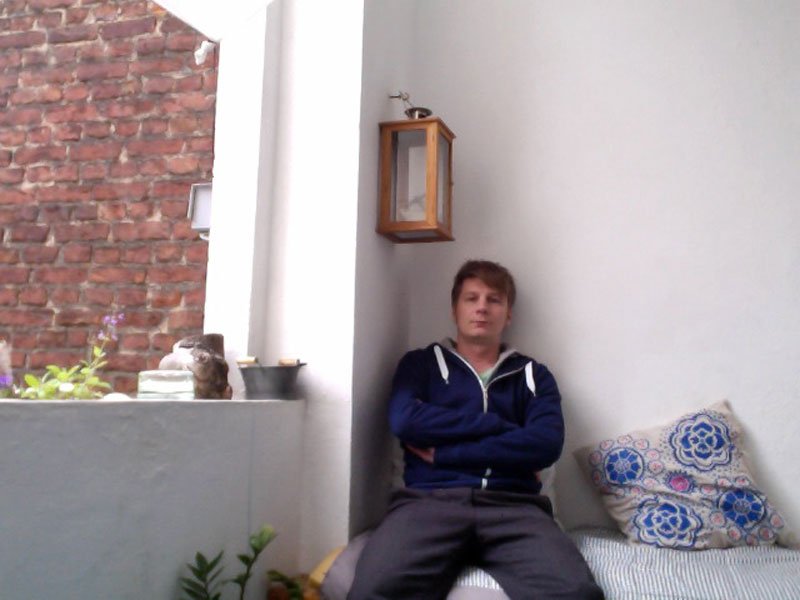
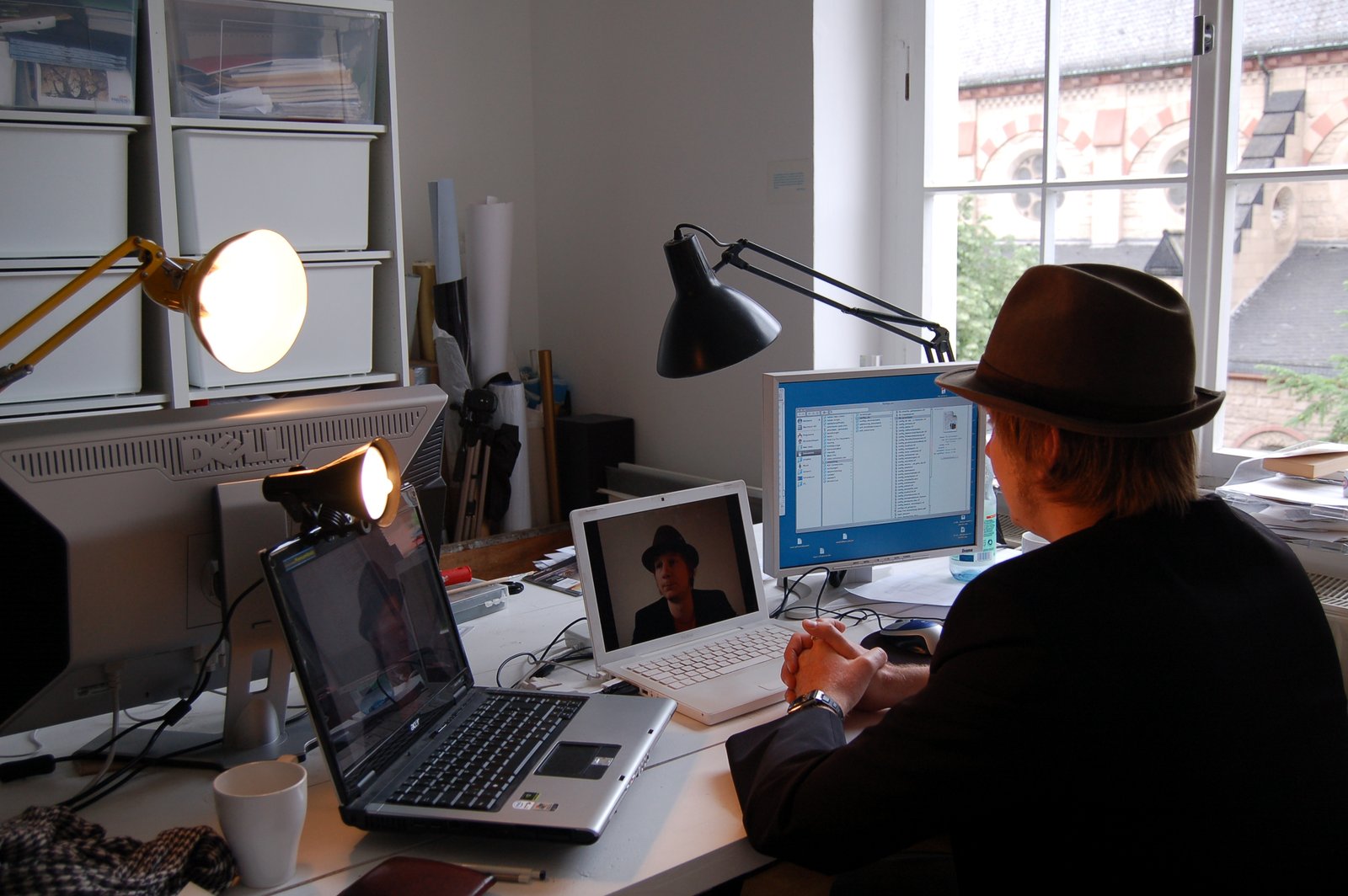
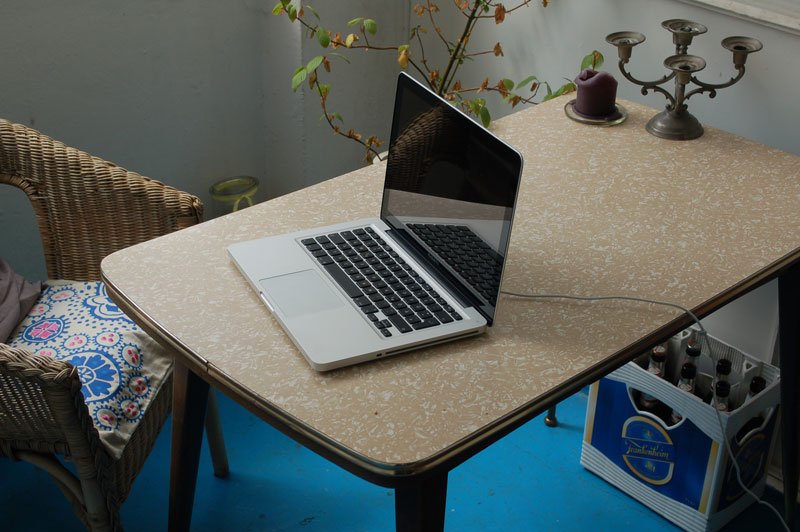
While the room shows the image, the artist sits elsewhere — at a desk among monitors, on a couch at home, behind a single laptop on a kitchen table. The performance has two ends: the exhibition, where the artist is present as light on a wall, and this quiet, domestic place, where he is bodily present but unseen. The work lives in the gap between the two.


channel normal · 2015
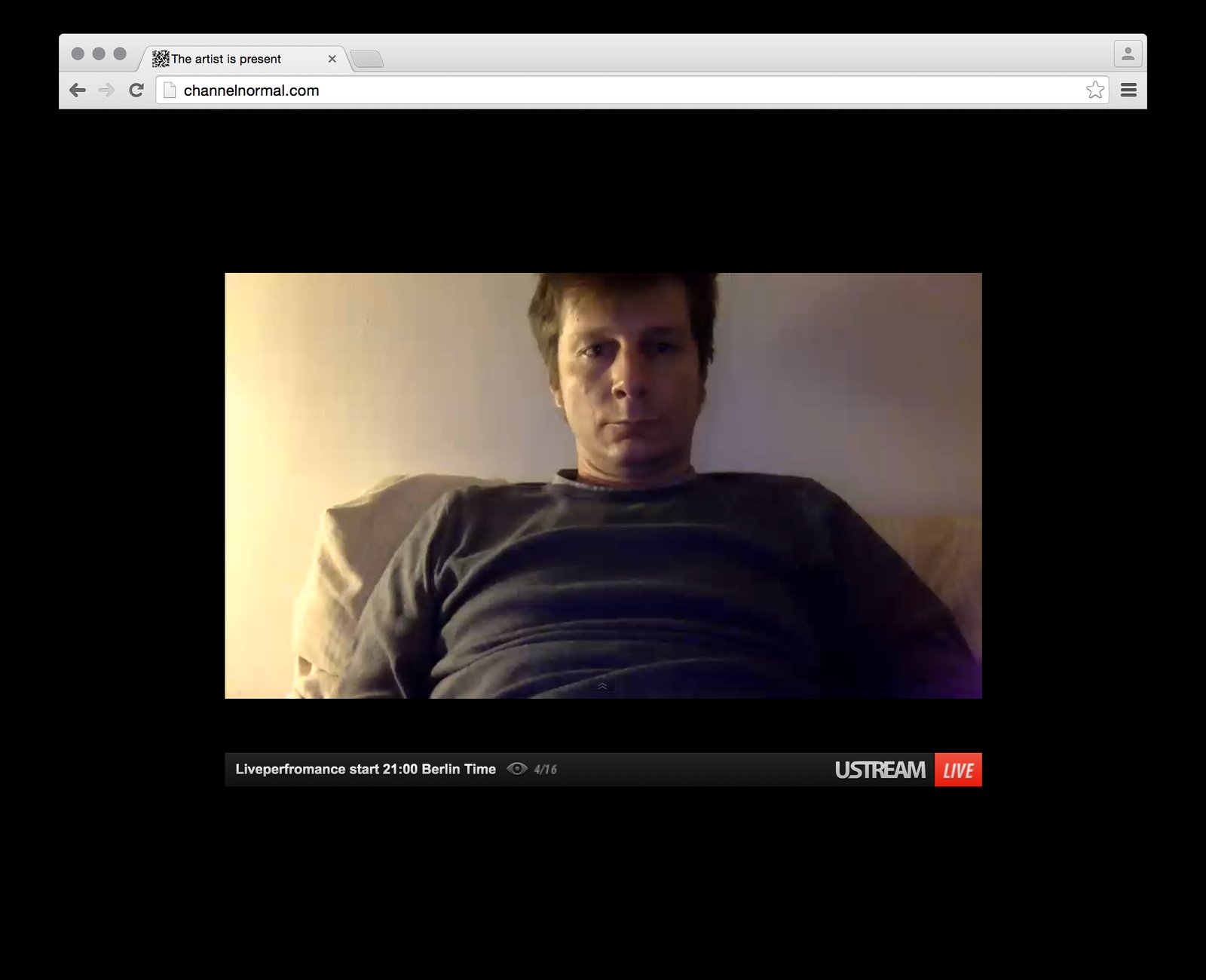
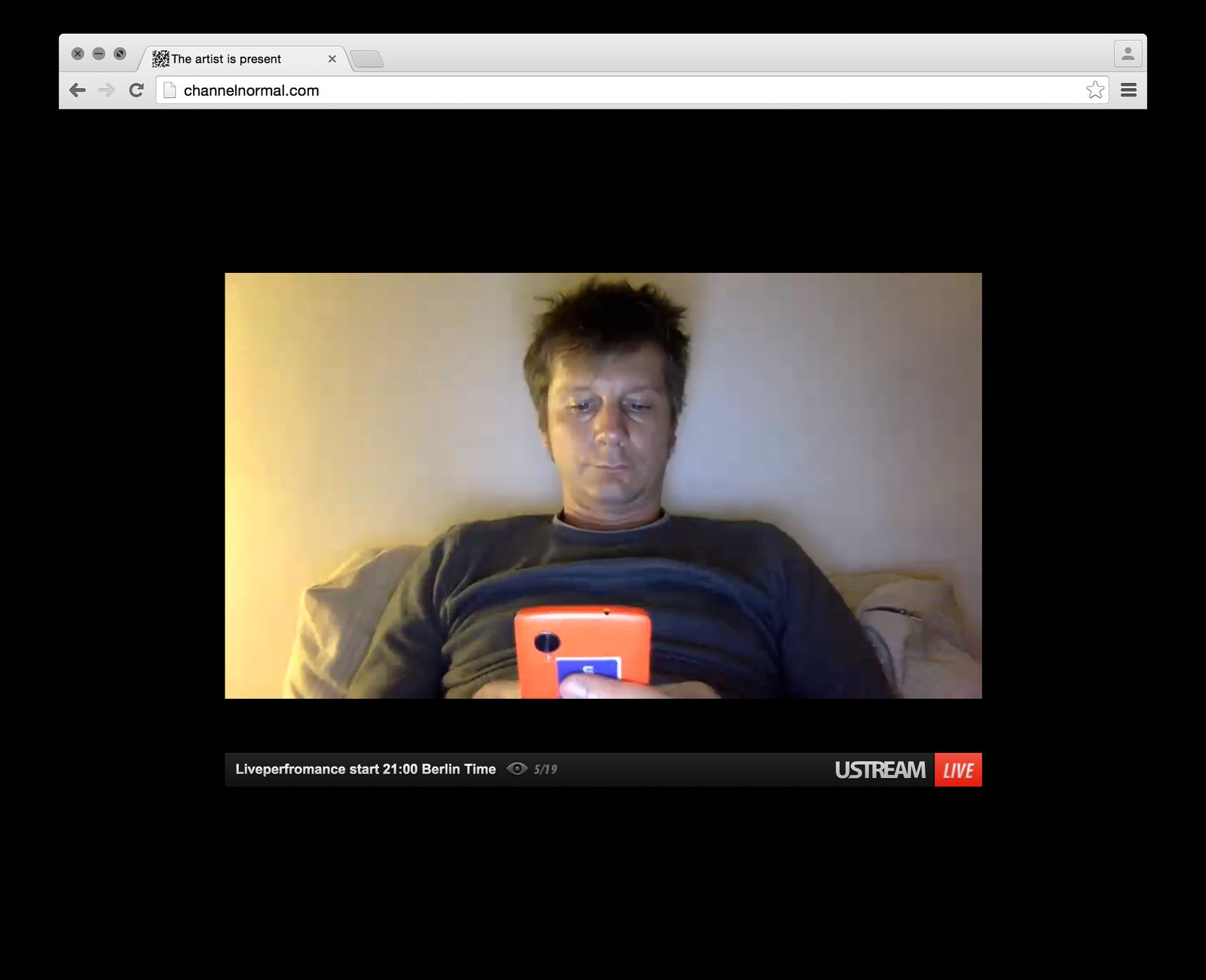
In 2015 the work returned to the medium it always pointed at: the open network. As the artist is present at channel normal the stream ran straight to a web page, an embedded live broadcast anyone could open — the empty exhibition room now the browser window itself, the presence reduced to a feed among feeds.


shown
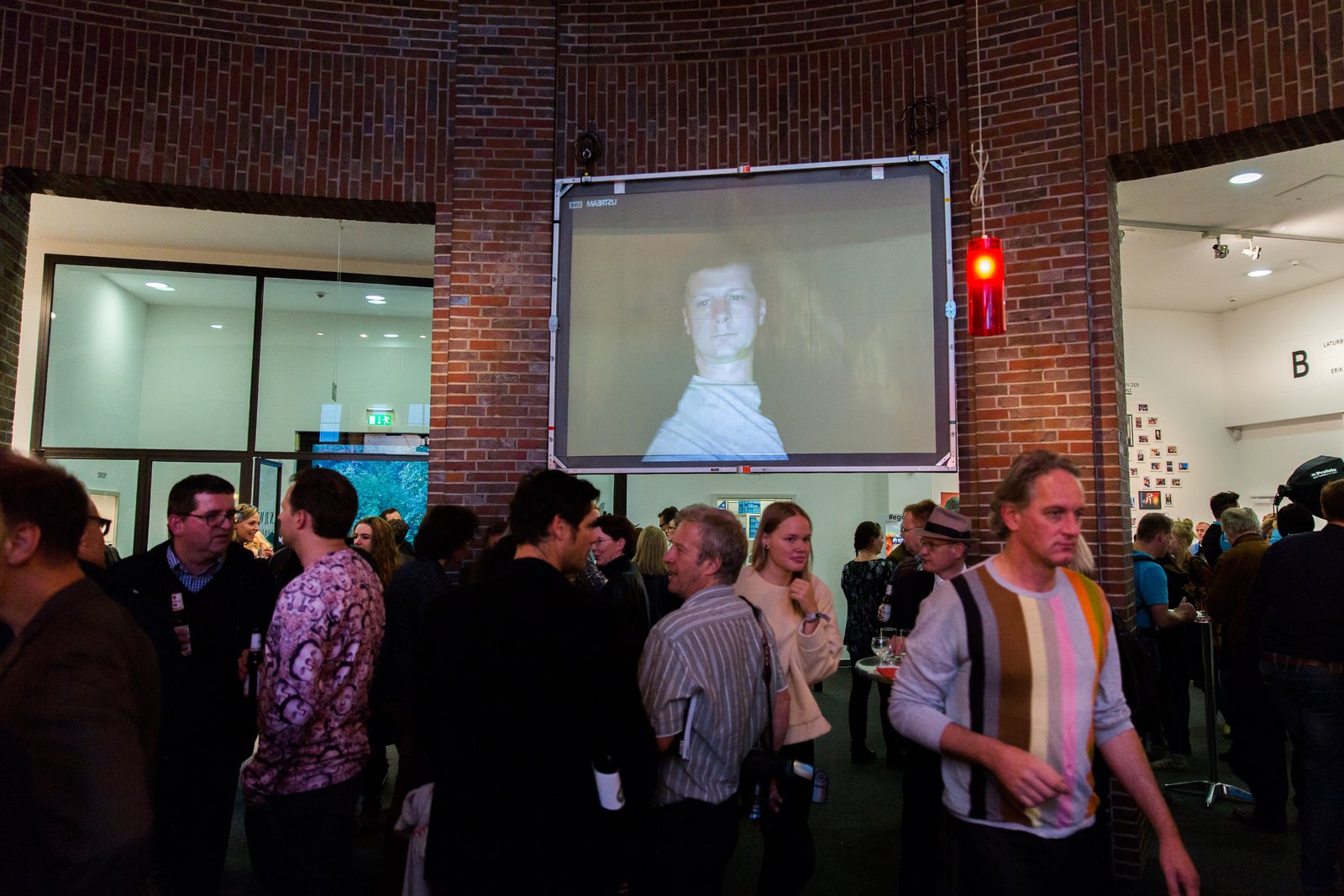
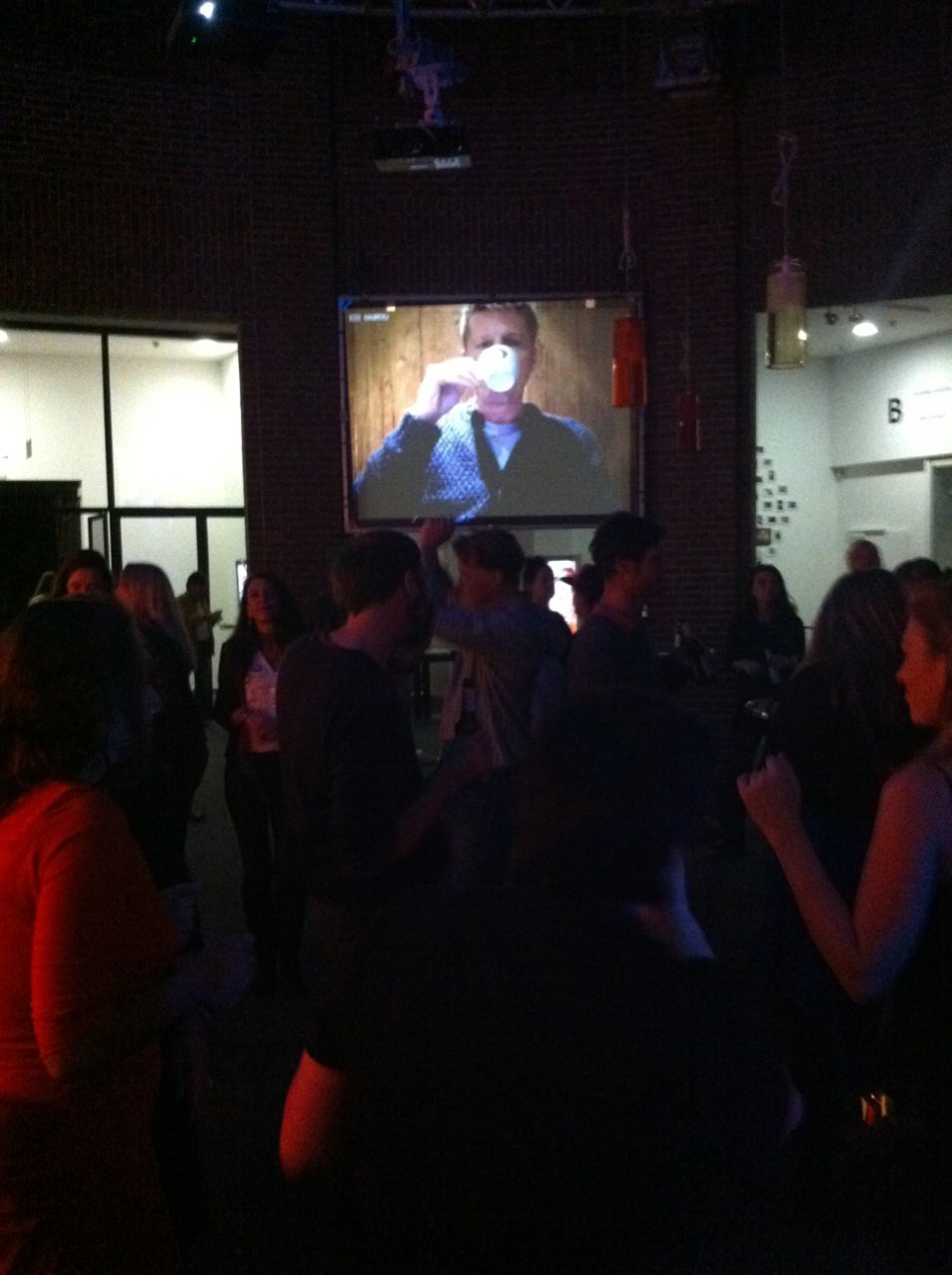
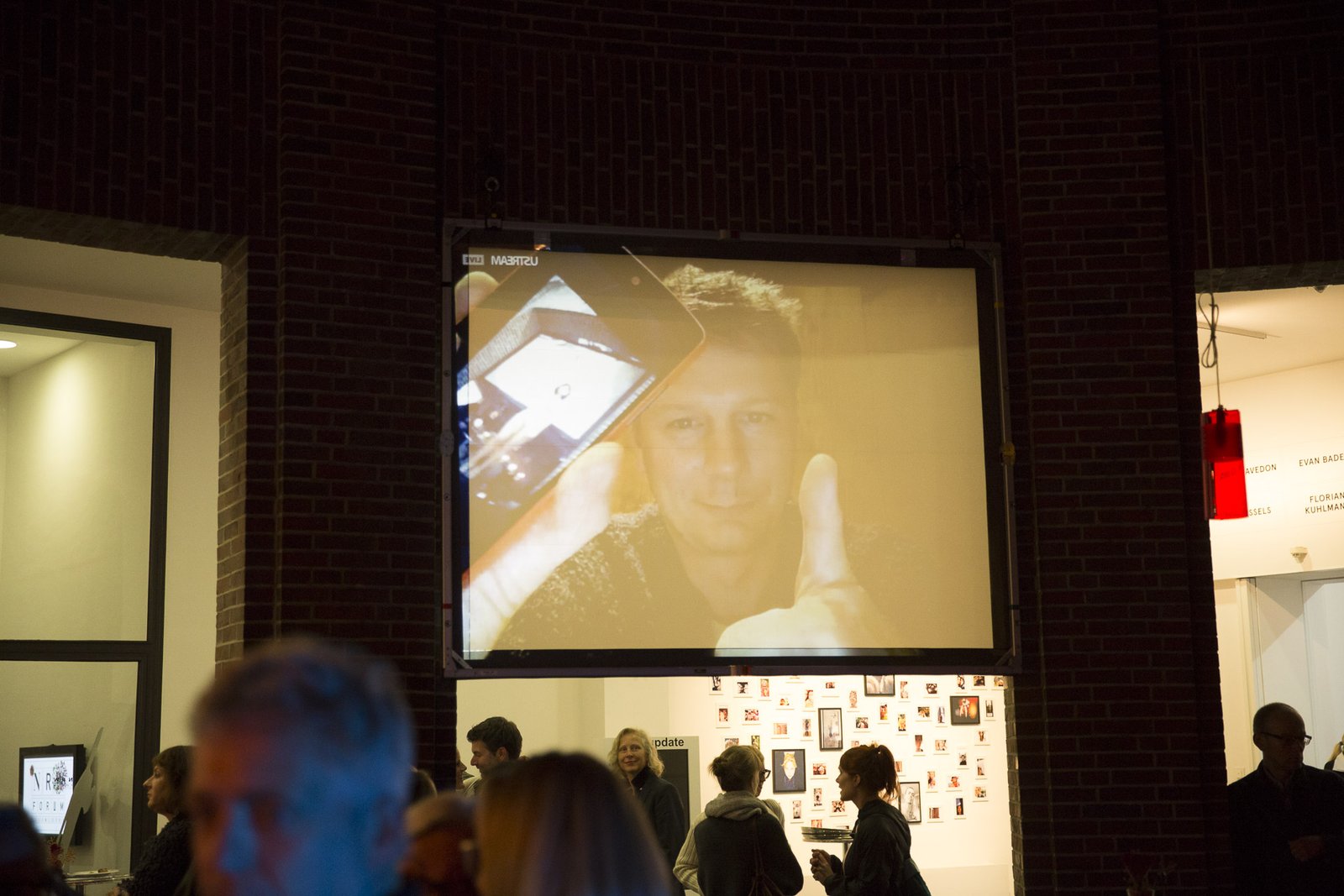
A selection of the artist is present (2008–2012) was later shown in the context of Ego Update. The Future of the Digital Identity at the NRW-Forum Düsseldorf (2015), curated by Alain Bieber — an exhibition on the selfie and the mediated self, where a work about streaming one's own presence into an empty room had, by then, become a diagnosis of the everyday. In the hall of the NRW-Forum the live stream ran again, the face projected large above the crowd of the opening.


Ego Update, NRW-Forum Düsseldorf, 2015 · Fotos: Andreas Kuschner / ALIMONIE
projects — floriankuhlmann.com